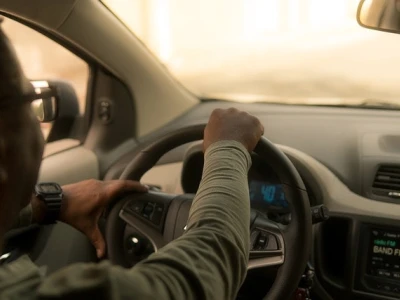
Steps to Take After a Trucking Accident
Trucking accidents can be overwhelming and stressful, but knowing how to handle the situation can make a significant difference in protecting your safety, legal rights, and financial interests

Motorcycle and bicycle accidents can be as misunderstood as they are alarming. Misinformation in this area not only confuses the involved parties, but it also severely impacts riders' ability to defend their rights after an accident. It's crucial to dissect and debunk these myths for a clearer understanding of legal responsibilities, police interactions, and insurance claims.
While helmet laws are vital for safety, not wearing one doesn't necessarily mean the motorcyclist or bicyclist is at fault for an accident. Some insurers might argue that injuries could have been less severe if a helmet had been worn, potentially trying to reduce compensation. However, this doesn't determine fault. Riders should be aware that the absence of a helmet often becomes a focal point for insurers rather than a reliable indicator of liability.
Unlike what many believe, bicycles and motorcycles are not uniformly treated the same as cars in accidents. Differences in traffic laws mean these vehicles are often categorized as “vulnerable road users” in several states, a classification that can influence insurance claims and legal outcomes. Riders need to be informed about the specific laws applicable in their region to protect themselves adequately.
Another common myth is that motorcyclists can legally weave through traffic anywhere. In reality, lane-splitting laws vary considerably by state. Engaging in this behavior where it isn't explicitly legal could result in reckless driving charges. Riders should check state laws before trying lane-splitting in different areas, which is especially important when traveling cross-state.
Many assume that police will automatically advocate for them post-accident, but this isn't always true. Biases can lead law enforcement to incorrectly assume the rider was at fault. Sometimes officers may misinterpret the accident scene or assume reckless behavior, impacting the case outcome. It’s vital for motorcyclists and bicyclists to understand this potential bias and prepare to convey their perspective clearly and calmly.
Separating fact from fiction empowers riders to safeguard their rights efficiently. If an accident occurs, staying informed about your legal rights, such as the right to remain silent when questioned, is critical. Statements made at the scene can be misconstrued, so consulting with a lawyer before speaking with authorities is wise.
The fear of hit-and-run charges often paralyzes accident victims, but it’s important to remember that such charges are not indefensible. Legal representation can challenge mistaken identities or lack of evidence, which are not uncommon in such scenarios. With the right support, fighting wrongful accusations becomes possible. By understanding these myths, riders can navigate the aftermath of accidents more effectively. Knowing the truth helps protect your rights and ensures fair treatment in legal and insurance proceedings. Always consider consulting with a lawyer and familiarizing yourself with state-specific laws to remain protected.
Trucking accidents can be overwhelming and stressful, but knowing how to handle the situation can make a significant difference in protecting your safety, legal rights, and financial interests
What to know before you travel while on Workers' Compensation.
As a rideshare passenger it's important to know that you can still take steps to ensure your safety and protect your legal rights.